
Prediction markets promise crowdsourced forecasting, but they're pulling payment processors into a regulatory gray zone. The CFTC treats them as futures contracts. Several states call them gambling. That split leaves acquirers and ISOs exposed to compliance risk they didn't sign up for.
Learn more about the regulation of these merchants below and then register for our predictions market webinar to hear from our experts on the topic.
August 3, 2026 | by Gabby Fisher
There is a new type of platform making waves across the financial sector: prediction markets. These dynamic platforms allow users to place bets on the outcomes of real-world events. While betting on the outcome of events such as elections can be traced back to as early as the 15th century, the pervasiveness of these platforms has exploded in recent years. New mobile technologies are making them highly accessible to the general public. However, with these rapid advancements comes significant regulatory risk.
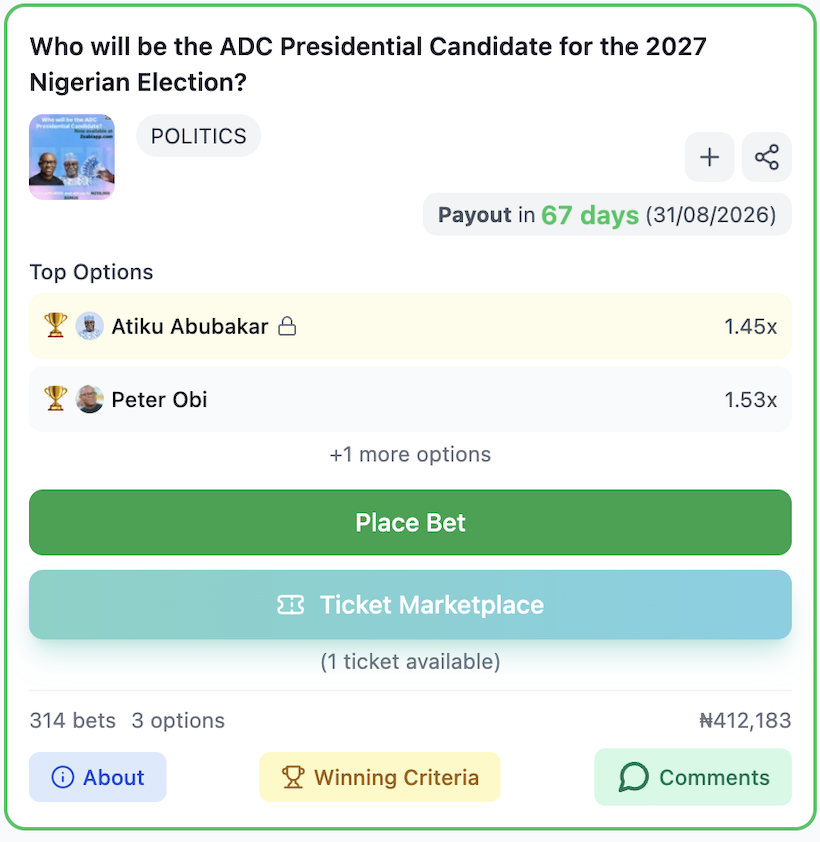
Example of a prediction market interface showing bets on a political election
What Is a Prediction Market?
Also known as “futures markets” or “information markets,” prediction markets facilitate the buying and selling of contracts that pay out based on the result of a future event. As public confidence in a specific outcome rises, the demand for that contract increases, which subsequently drives up the price. Advocates argue that these markets help the public forecast and plan for future events by crowdsourcing sentiment.
Prediction markets operate dynamically and peer-to-peer. This differs fundamentally from traditional gambling, which features locked-in, fixed odds set against “the house.” Today, these platforms are used to bet on the outcomes of everything from sports games to political elections to popular media phenomena. Popular prediction market platforms, including Kalshi and Polymarket, offer these trades through convenient software applications. As this technology becomes increasingly accessible, critical questions are emerging regarding how these entities should be regulated.
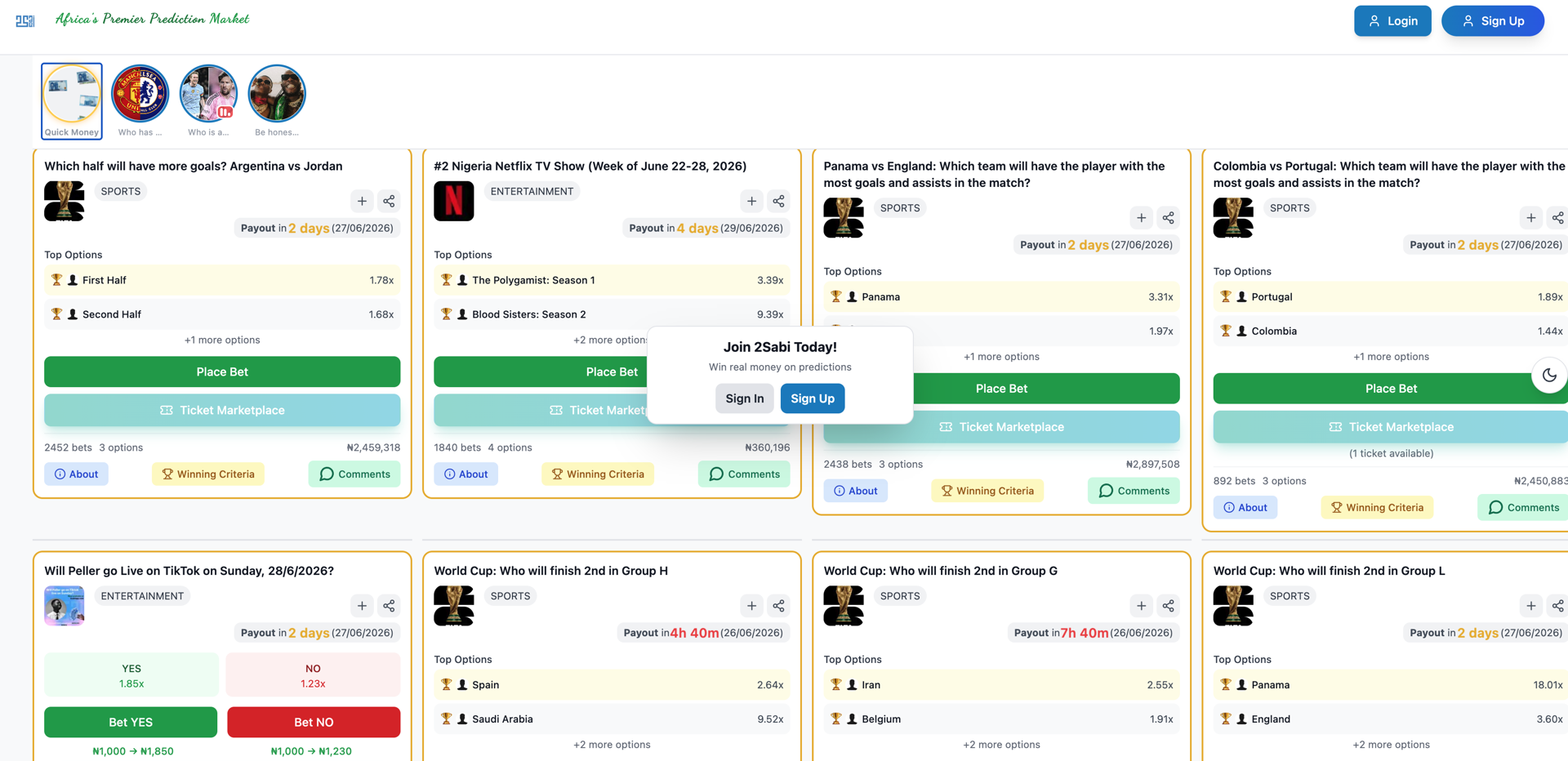
Example of a prediction market interface showing odds for entertainment and sporting events
Prediction Markets Regulation: A Contested and Shifting Landscape
In the United States, prediction markets are regulated at the federal level by the Commodity Futures Trading Commission (CFTC). CFTC regulation is designed to ensure features like market integrity, transparency, liquidity, and overall accountability. The CFTC currently regulates prediction markets as futures contracts. However, many members of the public, along with several state regulators, believe that prediction markets function as a form of gambling and should be regulated as such.
Representatives from popular prediction platforms maintain that their services are fundamentally different from gambling because the market itself sets the odds rather than a casino or sportsbook. This contested status continues to evolve rapidly. While the CFTC has actively asserted its jurisdiction over these event contracts, several states like Minnesota and Nevada have outright banned them. This creates a fragmented and confusing legal landscape for payment processors to navigate.
Risky Business: Insider Trading and Public Health
With these new technologies comes an expanded matrix of risk. Severe concerns have been raised regarding potential insider trading activity on prediction market platforms. For example, a predictive market recently emerged ahead of Bad Bunny’s Super Bowl Halftime performance, allowing users to bet on which song he would perform first. This scenario presents obvious integrity issues: the artist, his backup dancers, and anyone involved in the production rehearsal knew the outcome prior to the event.
Beyond insider trading, experts have warned about the impact prediction markets could have on public health, specifically regarding gambling addiction as gambling becomes America’s favorite pastime. Health advocacy groups emphasize that while these platforms are framed as forecasting or investing, they function much like gambling. Studies show that nearly half of Americans view prediction markets as comparable to gambling, and a majority agree that these platforms require better safeguards against addictive use. Experts note that any activity combining money, uncertainty, and risk can trigger compulsive behaviors akin to traditional gambling addiction.
How Payments Companies Manage Prediction Markets Risk
The legal classification of gambling varies significantly depending on the jurisdiction in question, making prediction markets a highly complex compliance area for payment processors. Due to these overlapping and evolving legal definitions, LegitScript analyzes and monitors merchants operating prediction markets with the same rigorous scrutiny applied to traditional gambling platforms.
Using advanced technologies designed to target high-value gambling indicators, our systems sweep merchant portfolios regularly to detect hidden financial risks. LegitScript’s expert analysts are specially trained to identify these emerging platforms and report their risk to payment processors in real-time. LegitScript’s Merchant Monitoring services save your portfolio from card network fines and protect your institution’s reputational integrity.
For more information on how LegitScript can protect your payments business from risks like unregulated prediction markets, please contact us today to learn more about our Merchant Risk Solutions.
UPCOMING WEBINAR
Prediction Markets and Sweepstakes Casinos