
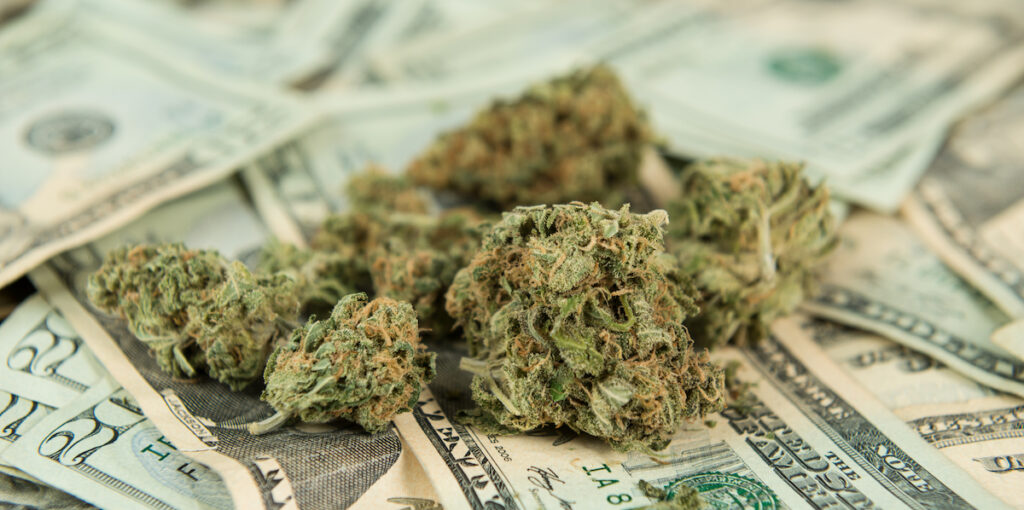
What do taxes and marijuana have in common? At this time of year, both can draw cybercriminals seeking to capitalize on noteworthy dates: April 15, which is usually Tax Day in the US, and April 20, which is a day on which many celebrate marijuana. These are just some of the seasonal high-risk trends in card-not-present transactions that all payment service providers should be aware of throughout the year (for others, download our full guide).
No-Value-Added Tax Services
April is typically tax season, even though this year's deadline has been extended into mid-May. With the federal government enacting last-minute changes to tax law, many people this year may turn to third-party services to help them navigate this increasingly complex tax season. It's important to keep an eye out for tax-related services that may take advantage of consumers.
For example, some tax preparation services may charge a fee to file taxes or corporate reports with the IRS or local authorities, which customers can do for little or no cost through official government websites. Merchants like this may be involved with no-value-added services, which generally offer to facilitate government applications or other services that consumers could easily complete on their own at little or no cost. LegitScript has seen an increase in online no-value-added services, including tax preparation, drivers license renewals, travel authorizations, fraudulent immigration services, and more.
-
- Websites with designs that are misleadingly similar to IRS or other government websites
-
- Websites with domain names that bear similarities to that of the official website
-
- Merchants that disclose in the fine print that the government paperwork is available for free or a lesser cost
-
- Merchants who have poor online reviews on third-party review platforms
Marijuana
Although the origins of the term are in dispute, "420" is recognized code language for cannabis consumption. For this reason, April 20 (4/20) has become a day celebrated by cannabis users, and one that cannabis merchants often capitalize on to sell their products. Many online merchants offer promotions of cannabis or cannabis seeds in the days leading up to April 20. Although some US states have legalized marijuana for recreational use, the federal government considers it a Schedule I controlled substance. Products containing more than 0.3% THC, including CBD products, are considered controlled substances in the US.
-
- Merchants offering marijuana and shipping to or from the US
-
- Merchants offering cannabis/marijuana seeds and shipping to or from the US, even if they claim it is legal
-
- Merchants who appear to be selling non-cannabis products but are using coded language such as 420, ganja, dank, weed, herb, kush, leaf, and more. Some merchants selling THC edibles use innocuous labeling on the product page but use revealing hashtags on social media and elsewhere.
LegitScript experts proactively track seasonal high-risk trends to help keep our partners in compliance and reduce the risk of expensive card brand fines. Read more by downloading our full guide, Seasonal High-risk Trends Everyone in Payments Should Watch Out For.