

Despite the high demand for GLP-1 drugs, the cost of these medications is prohibitively expensive for many people. As a result, a slew of merchants are entering the market offering alternative products such as supplements and other healthcare products for weight loss, many of which pose serious health threats to consumers. Weight loss supplements are not classified as drugs and do not require FDA review or approval before going to market, and because of this, some manufacturers circumvent the limited safeguards that exist and roll the dice on regulatory scrutiny to offer weight loss products with potentially harmful ingredients or market them with unsubstantiated health claims.
What Are Tainted Weight Loss Supplements?
Weight loss supplements commonly promise consumers rapid weight loss through a reduction in appetite, body fat, and weight by increasing the body’s metabolism or thermogenesis. While many of these supplements contain ingredients like minerals, herbs, caffeine, fiber, and/or other plant-based substances, several have been found to be tainted or adulterated. Supplements are considered tainted or adulterated when they contain unapproved or undeclared ingredients. Unapproved ingredients are deemed impermissible for inclusion in supplements by a regulatory body, like the Food and Drug Administration (FDA), with a common example being active pharmaceutical ingredients. Undeclared ingredients are added to supplements and omitted from product labels and supplements facts. These undisclosed additives present significant risk for consumers and jeopardizes their ability to make informed decisions.
Why Are Tainted Weight Loss Supplements Facing Greater Scrutiny?
The widened market of weight loss supplements has in turn fueled heightened scrutiny of these products. An FDA review of more than 700 adulterated dietary supplements over a 10 year period and identified 41% as weight loss supplements containing more than one unapproved ingredient. The FDA’s Health Fraud Product Database, which identifies unapproved products subject to FDA violations, has also seen a noticeable rise in weight loss-related additions.
Unlike their prescription drug counterparts, weight loss supplements are not required to undergo pre-market review or approval by the FDA. Manufacturers of some weight loss supplements often make unsubstantiated claims about the efficacy and safety of their products. Additionally, retailers may disguise the potentially hazardous, adulterated, or untested ingredients within their products, increasing the risk to consumer health. Historically, tainted weight-loss supplements commonly took the form of “diet pills'' containing substances like ephedrine. Over time, consumer preference has shifted toward “natural” products and retailers of tainted weight-loss supplements have responded to this preference for “natural” supplements. For example, the recent surge in popularity of weight loss supplements containing the substance tejocote exemplifies this shift in the marketplace.
Regulatory Crackdown: Yellow Oleander
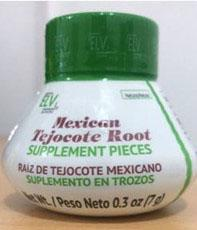
The screenshot above shows Mexican Tejocote Root Pieces by Elv Alipotec, which was found to contain yellow oleander after FDA testing.
The growing trend of tainted products in the retail marketspace has forced the FDA to intensify its efforts in supplement oversight and increase testing for impermissible ingredients. Recent testing performed by the FDA discovered a trend of products containing tejocote root (Crataegus mexicana). Testing revealed that products labeled with tejocote contained toxic yellow oleander, a poisonous plant native to Mexico and Central America.
The FDA has since issued several warning letters concerning tainted weight loss supplements, with some companies initiating recalls due to adverse effects on neurological, gastrointestinal, and cardiovascular health that can be serious or even fatal.
Despite increased regulatory enforcement efforts and the voluntary recall of high-risk products like these from e-commerce platforms, retailers may knowingly or otherwise continue to offer these potentially dangerous products due to consumer demand and potential profits. Unsuspecting consumers may still be harmed because these adulterated supplements do not accurately disclose their ingredients.
How LegitScript Can Help
The GLP-1 drug market will continue to impact the weight loss supplement market. In October 2024, the FDA announced that the shortage of tirzepatide, the active ingredient in Mounjaro and Zepbound, was resolved, and shortages of other GLP-1s are also poised to be resolved in the near future. That means millions of patients will soon potentially lose access to cheaper versions to the brand name drugs. This may lead consumers to look for alternative weight loss products, including potentially problematic supplements like tejocote.
LegitScript’s risk detection processes and team of skilled analysts are quick to adapt to the changing landscape as merchants deploy new marketing approaches and techniques to keep these dangerous products on the market. LegitScript continues to identify emerging trends within the payments ecosystem and report any risks associated with tainted weight loss supplements to mitigate that risk.
Contact us to chat about our risk management solutions or learn more about our vast product database of supplements, drugs, and other healthcare products.
This post was updated in October 2024 to reflect the latest regulatory news.