
Skip to content

Herbal Incense Linked to at Least Two Deaths and 54 Cases of Severe Bleeding

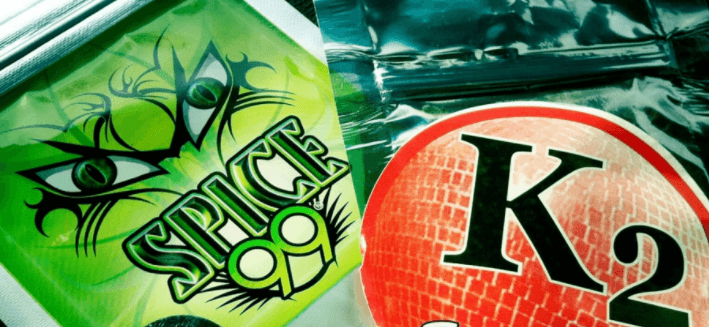
Photo from the National Drug-Free Work Alliance.

At least two people are dead and many more are facing disturbing symptoms linked to the use of synthetic cannabinoids purchased mostly in and around Chicago, Illinois. According to the Illinois Department of Health (IDPH), contaminated cannabinoid products - some of which have tested positive for rat poison - have caused symptoms to users including blood in the urine, bloody nose, bleeding gums, and coughing up blood.

These products, which are often readily available online or in convenience stores, are sometimes called "fake weed" or "synthetic marijuana" and are marketed as "legal highs" that are supposedly safe, legal alternatives to marijuana. But these products, which go by names such as K2, Spice, and Black Mamba, are anything but safe. Synthetic cannabinoids are human-made, mind-altering chemicals that are often packaged as "herbal incense." Drug manufacturers spray dried plant matter (usually damiana leaf or mugwort) with chemicals that are similar to those found in the marijuana plant. Other "incenses" are sold as liquids to be vaporized and inhaled in e-cigarettes and other devices.

LegitScript has seen an increase in the sales of designer drugs, including herbal incense and bath salts. Herbal incense products may target younger demographics because they are usually packaged in colorful foil packets, adorned with bright colors and cartoon characters. Because the chemicals used in these products can vary greatly in type and quantity, they pose a substantial risk to consumers. IDPH recommends that anyone who has purchased synthetic cannabinoids in the past month discard the product and call 911 if they have experienced bleeding or other symptoms.

These products are not the "legal" highs they claim to be. They are psychoactive substances that the FDA has been taking action against. In addition to the public health risk these vendors pose, payment providers who onboard merchants selling synthetic cannabinoids are at risk for BRAM and GBPP fines.

Want to learn more about designer drugs such as herbal incense and bath salts? Download our free guide today to better understand this important topic.

 

David Khalaf is a writing, communications, and marketing professional with specialties in media, investigations, content strategy, and writing instruction. His 20 years of writing, media, and communications work have included two top-tier universities (USC and UCLA), print and digital magazines, consulting firms, and technology companies.

His current work involves content strategy and development at LegitScript, a company that helps the world's leading search engines, payment service providers, and internet platforms and marketplaces do business with legitimate, legally operating entities in more than 80 countries and 15 languages around the world. LegitScript specializes in risk and compliance for highly regulated industries including CBD/cannabis, online gambling, cryptocurrencies, drugs, financial trading, online adult, scams and fraud, and more.

Recent Blog Articles

Industry Experts Talked About These Three Key Issues at the Marketplace Risk Global Summit

The Marketplace Risk Global Summit, which took place this month in London, provided a space for the experts, founders, and industry leaders of online platforms to share their experiences, strategies, and forward-thinking solutions to the most pressing challenges in risk management, trust & safet...

FTC Payments Enforcement Trends: Key Takeaways for Payment Service Providers

The Federal Trade Commission continues to scrutinize the payments ecosystem, viewing these companies as critical gatekeepers in the fight against consumer fraud. LegitScript's recent webinar, FTC Payments Enforcement Trends: What Merchant Acquirers and Payment Service Providers Need to Know, examine...

Navigating AI’s Gray Areas: Why Human Oversight Still Matters

Artificial intelligence is changing the way organizations identify risk, monitor compliance, and make policy decisions. But as the technology evolves, so does the challenge of knowing where its limits lie. During a recent panel at Marketplace Risk NYC, Tom Cook, Chief Product and Technology Officer,...

LegitScript Marketplace Risk NYC Panel Recap: AI Blind Spots: The Gray Areas of Risk, Policy & Regulation

AI agents are transforming workflow automation, bringing speed, scale, and intelligence to complex processes. Think of them as well-read interns: capable but inexperienced, requiring context and human judgment. As their role expands, how do we ensure automation enhances, rather than replaces, though...