

Earlier this month we wrote about how decorative contact lenses are regulated by the FDA and can pose real risks if used improperly. But they aren't the only threat to merchant portfolios and e-commerce platforms during the fall season. Halloween costumes themselves can present an additional potential danger: intellectual property infringement.
IP-infringing merchants often seek to capitalize on characters from popular culture, such as Elsa from Disney's Frozen, the minions from the Despicable Me series, or Yoda from the Star Wars franchise. These merchants may sell everything from counterfeit costumes and accessories to decorations and toys.
It can be difficult to tell just by looking at a website whether a merchant is violating the rights of a brand. Merchants often do not state whether they are authorized to offer the trademarked goods they are selling, making it difficult to discern whether the products are legitimate or infringing. Additionally, a merchant may make false claims of authorization.
As such, it is an industry best practice for e-commerce marketplaces and other internet companies to request evidence of permissive use from merchants that do not clearly own the rights to the intellectual property they sell.
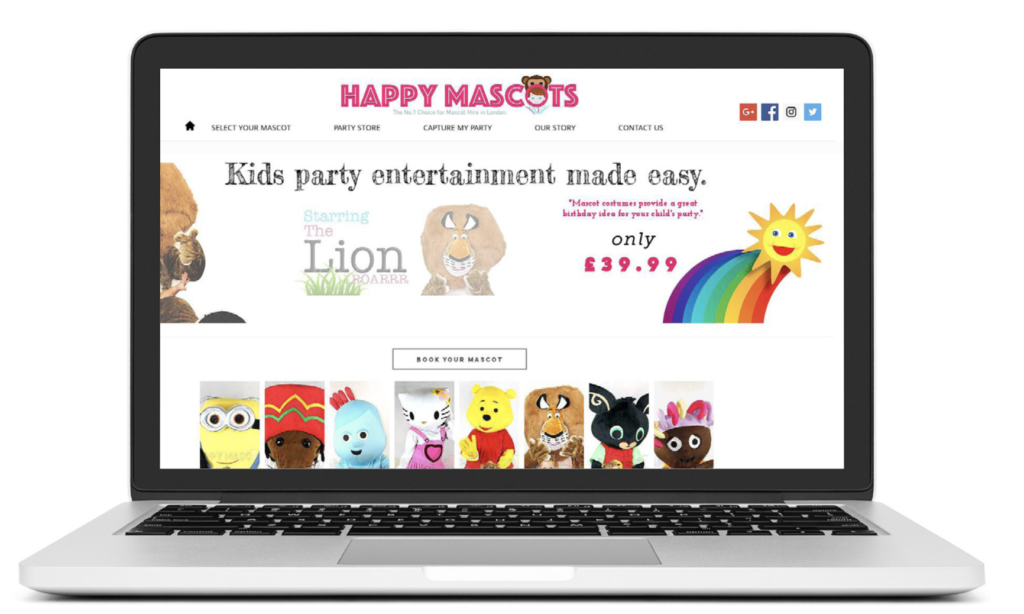
This website, which is now offline, sold costumes of many popular characters whose substandard designs did not appear to be genuine.
The sale of counterfeits is not a victimless crime. Aside from losses to rights holders, counterfeits can risk consumer safety because these outfits are sometimes made without regard to health and safety standards. Furthermore, these products could be made in factories that are at a higher risk of engaging in labor exploitation.
What to Watch Out For
-
-
-
- Websites marketing brands whose characters are frequently infringed upon, such as Disney, Star Wars, Marvel, DreamWorks, Sanrio, and more
-
-
-
-
-
- Websites with an unprofessional look, which seem unlikely to be a partner with a major brand
-
-
-
-
-
- Products that appear poorly constructed or otherwise don't appear to be genuine
-
-
Want to learn more about various high-risk trends occurring throughout the year? Download our Seasonal High-risk Trends Guide.